Emergency Equine Vet:
Breadstone: 01453 811867
Langford: 01275 392956
Stretcholt: 01278 229129
Willesley: 01666 880501
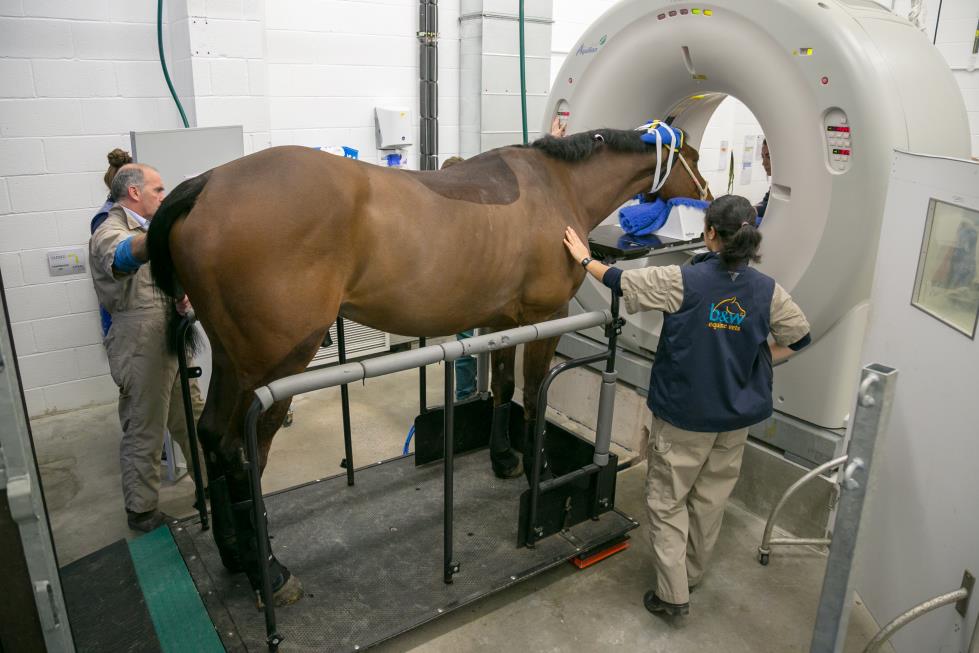
This 18-month internship is based at our hospital in Breadstone, Gloucestershire. It’s a great place to live and work, being close to the Cotswolds and Wales, and within easy reach of Bristol and Cheltenham. You will be based at B&W Equine Hospital, with accommodation provided on site when you are on call. There are also plenty of local options for finding somewhere to live.
The hospital sees referral cases from a large area, with a wide variety of horses from naughty children’s ponies to hunters and racehorses. Our interns go on to pursue a variety of careers after the programme, including ambulatory practice and residency positions both within the UK and overseas.
There are four interns who rotate weekly through the following services:
General Anaesthesia & Surgery
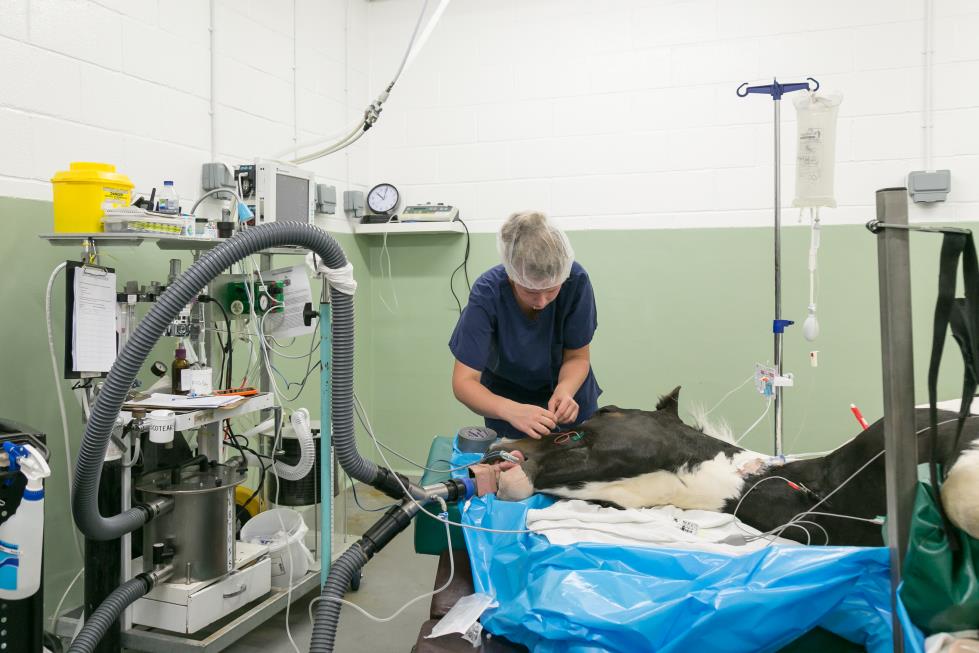
Interns are not expected to have prior anaesthesia experience; full training will be provided. We work with the University of Bristol and BVS anaesthesia team as part of the training programme, along with senior vets with significant anaesthesia experience and senior interns.
Over the first two months of the internship the emphasis is on learning anaesthesia, and during this time you will always have back up (including out of hours). Once you have been ‘signed off’ you will then perform all anaesthetics (during routine hours) in your anaesthesia week.
In this rotation, you are also responsible for surgical inpatients. The surgical caseload is varied, with around 250-400 orthopaedic and soft-tissue surgeries performed each year, including those performed under general anaesthesia and standing sedation. We have a large dental caseload referred to our dental specialist and during this rotation, interns will be involved in these cases - learning routine dental procedures as well as approaches to more advanced cases.
Inpatients/Medicine
The emphasis during this rotation is on providing excellent inpatient care for medical cases (alongside a dedicated inpatient nurse) as well as working up outpatients and emergencies with hospital specialists. The medicine caseload is varied and includes neonatal foals, post-operative colics, eye cases, and everything in between.
Diagnostic Imaging
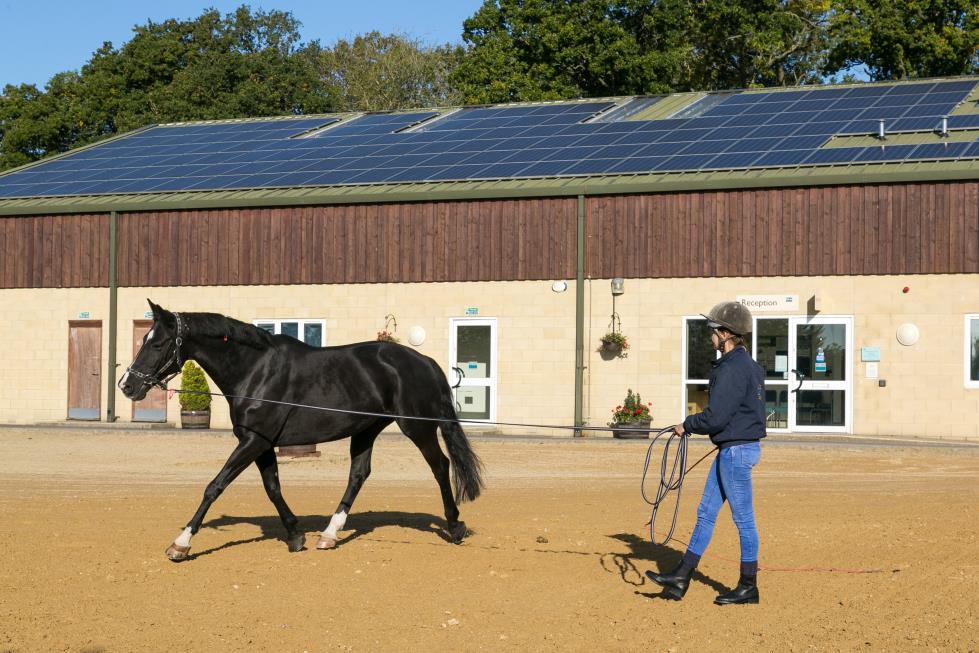
During this rotation, you will work with our orthopaedic vets, assisting with lameness cases and learning how to choose, acquire, and interpret appropriate diagnostic images. Radiography is a key skill, and the initial emphasis is on taking high-quality radiographs and interpreting them.
You will work with our experienced imaging team as well as a diagnostic imaging specialist. Interns may be involved in acquiring nuclear scintigraphy images—bone scans occur up to three afternoons per week. You will also help acquire CT images, including standing and GA scans. Although the hospital has a high MRI caseload, interns are not expected to perform MRI scans but are encouraged to learn about the process and image interpretation.
COOTs
This rotation includes:
On call
You will share on-call duties (weeknights and weekends) equally with your fellow interns. When on call, interns stay on site in provided accommodation and are responsible for admitting emergencies and providing inpatient care.
Two nurses are on duty each night and stay on site to assist. Each night, a senior medicine clinician and a surgeon are on call to admit emergencies with the intern and provide advice for inpatient issues. If a night on call has been busy, we make every effort to send the on-call intern home early the following day. During busy periods (typically foaling season), we revert to a dedicated night rotation, where night interns work only nights and have no daytime duties.
The four interns start at staggered intervals during the year, allowing training of new interns by more senior interns. Both new and recent graduates are welcome to apply; although six months or more of experience is ideal, it is not a prerequisite. Interns will be trained by senior interns, senior vets, and the nursing team. Individual case responsibility/decision-making is not expected initially, but as the programme progresses, interns will be given more responsibility. Our aim is to train interns to be competent in all the skills required of an ambulatory vet and prepare them for their post-internship career.
Internships are hard work, but our programme provides a good balance between seeing lots of cases and allowing time for rest. One thing we pride ourselves on at B&W is mentorship—each intern has a personal mentor who they meet monthly to ensure appropriate training, support, and guidance for the next stage of their career.
Within the practice, we have weekly seminars provided mainly by the senior vet team, offering structured learning on a range of topics. We encourage interns to undertake a small research project or write up a case report for publication and will support you through this process.
Our vet team also provides cover for Badminton and Blenheim Horse Trials, Cheltenham Racecourse, and several other equine sporting events—interns get to enjoy a day at one of these competitions, accompanying the on-duty vet.
We prefer applicants to have six months or more of post-graduate experience, although this is not a prerequisite. Spending time at B&W Equine Hospital prior to applying is strongly encouraged and favourably looked upon even just for a day. Applicants must hold a veterinary degree registerable with the RCVS and should send a CV and a letter of intent in response to an advertisement. Internship posts are advertised on the BEVA jobs website, careerswithcvs.co.uk, and our social media channels.
For further information, please email sarah.smith@bwequinevets.co.uk